A look behind the scenes.
We at the museum are a large team. Whether employed, volunteers, or federal volunteers

Museum director, curator for archaeology and art collection, landscape gallery, cultural center

Construction and technical support, working groups for museums in the district of Düren and Euregio, website

Operations Manager, Citadel Museum, Inventory, Social Media

Curator of City and Fortress History, Jülich Historical Society, Wartburg Society for the Study of Castles and Palaces, Art and History Library

Public relations, events, accounting

Inventory, interlibrary loan

Archeology Project

Director and Curator of Art Collection

workshop manager
German Society for Fortress Research, International Fortress Council

Museum Support Association
Assistant to the museum director

Projekt NS-Lagerarchäologie
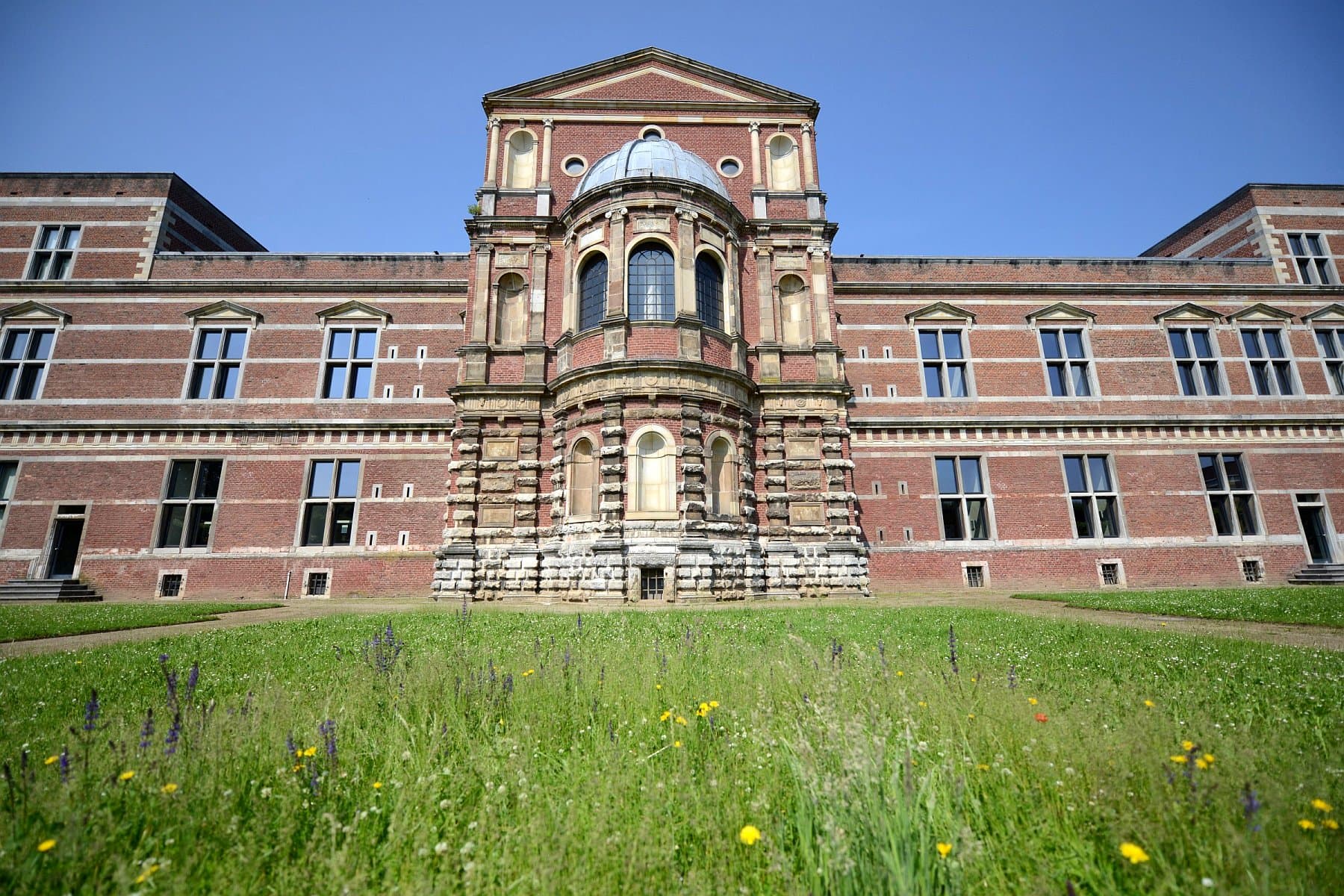
Built under Duke William V (1516–1592), the castle fortress Zitadelle demonstrated the power and grandeur of the influential sovereign. The "palazzo in fortezza" by Italian architect Alessandro Pasqualini is considered the most significant example of Italian High Renaissance architecture in the German-speaking world. The imposing 90,000 square meter fortress with its mighty ramparts and numerous casemates has been largely preserved and can be visited on guided tours.
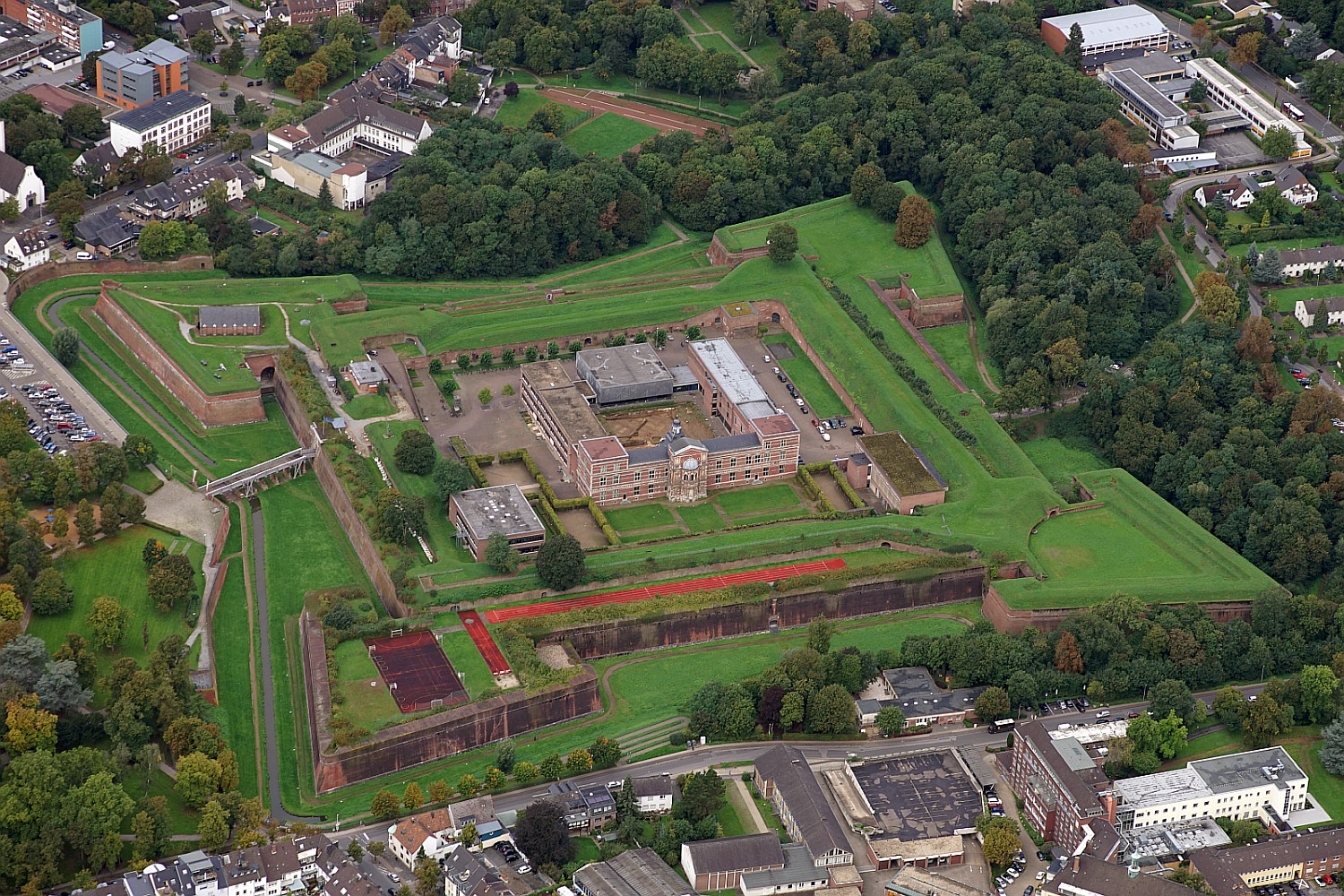
The architectural gem of the complex is the restored east facade of the ducal palace. The central palace chapel is a popular event venue with excellent acoustics—have a listen.
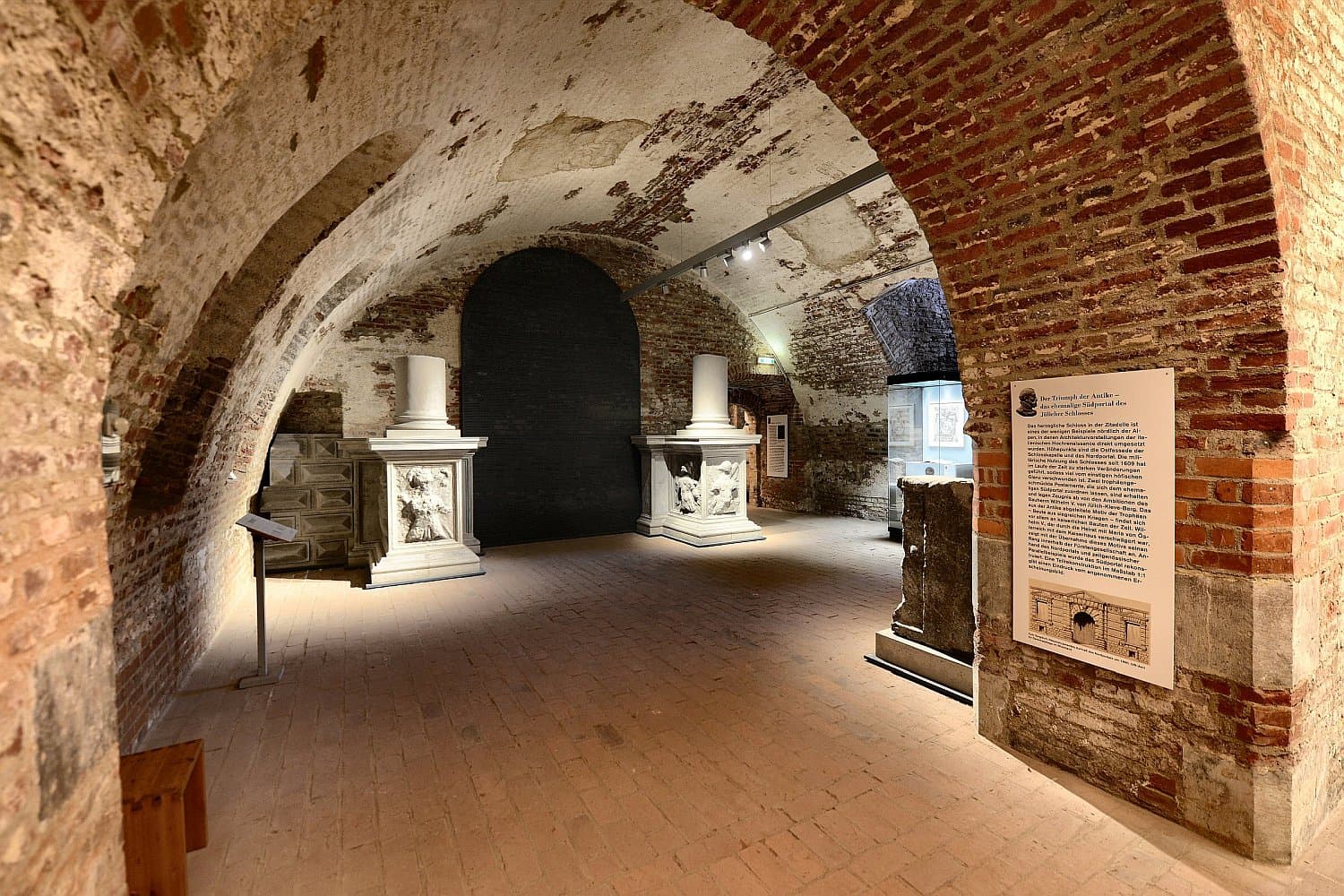
In the historic castle cellar, exhibitions take visitors on a journey through three important periods in history: the Roman era, when Jülich was founded over 2,000 years ago; the Renaissance, when the castle and fortress were built; and the Romantic period in the 19th century, when the Prussians rebuilt Jülich.
Our special exhibitions are held in the powder magazine, which dates back to the early 19th century. They always revolve around a central, 10-square-meter model of the town of Jülich, which shows the largest planned expansion of the fortress during the Prussian era.
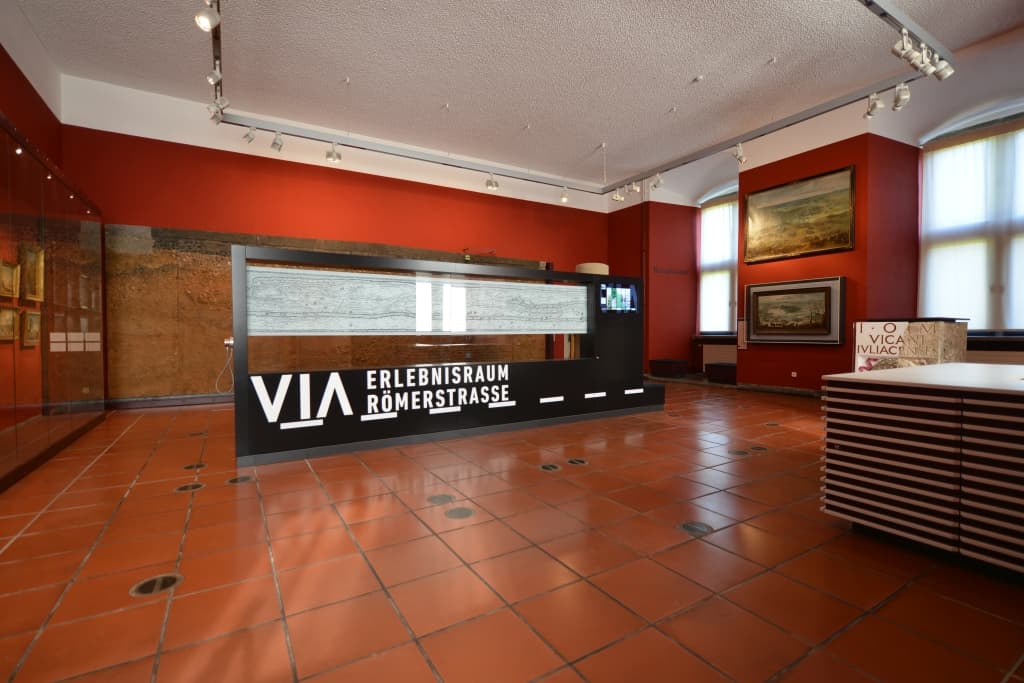
Roman roads formed an important basis for the development of the cultural landscape over the last 2000 years. Jülich owes its existence to the ancient highway from Cologne to Boulogne-sur-Mer. In Roman times, Iuliacum was a road station at the crossing of the Rur. The southeast tower of the Jülich citadel houses the Via Belgica information center. A preserved excavation section through the 2000-year-old road allows visitors to see the history of the road from its Roman pavement to the asphalt surface of the 20th century. It was created as part of the project "Erlebnisraum Römerstraße | Agrippastraße Via Belgica" (Roman Road | Agrippa Road Via Belgica Experience Area).
We work with great partners to ensure that our visitors have the best possible experience.
The Jülich Landscape Gallery collects works by Professor Johann Wilhelm Schirmer (1807–1863), who was born in Jülich, as well as by his students and successors.
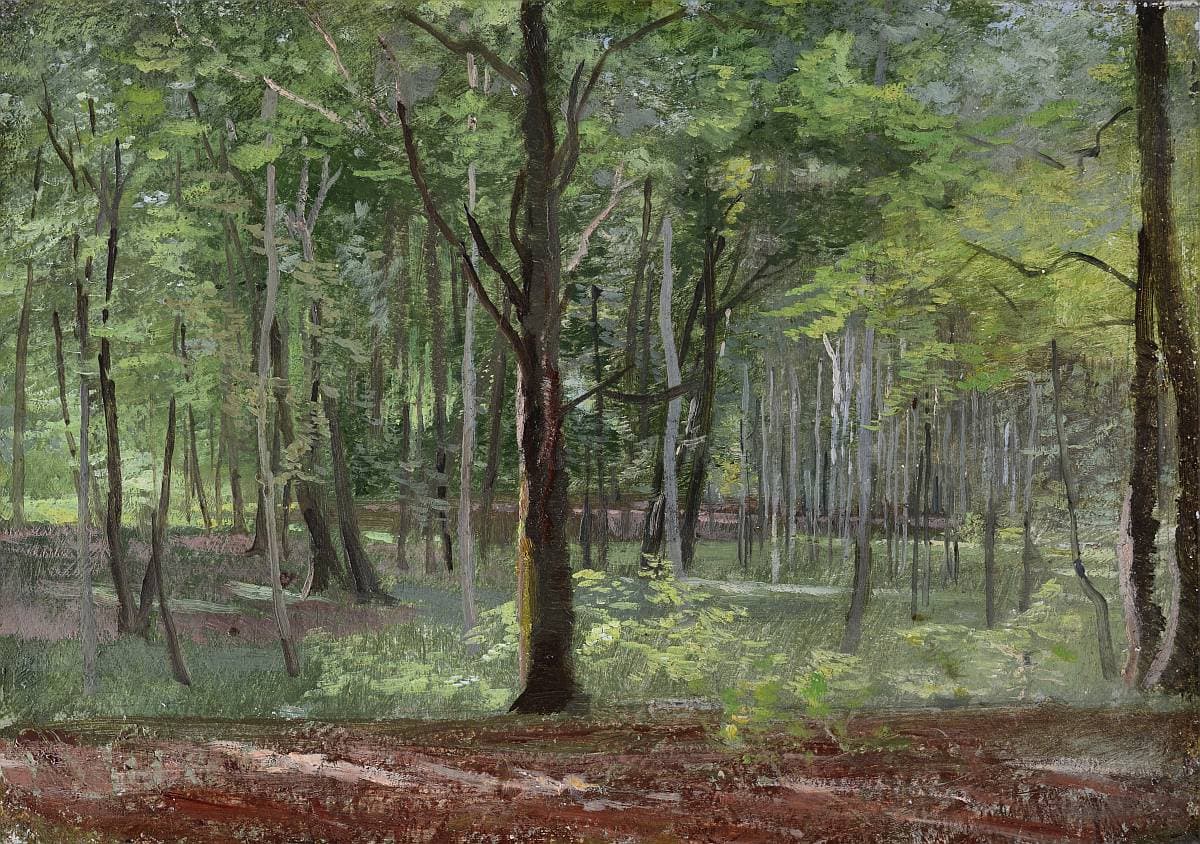
The Jülich collection provides an overview of the development of landscape painting in the Düsseldorf school of painting. It also includes works by several female artists who managed to establish themselves in the art scene despite not having had the opportunity to study. For the annual exhibition, 100 works from the period between 1830 and around 1900 featuring typical or unusual depictions of animals were selected from a collection of around 650 paintings. Industrialization and urbanization are reflected in people's relationship with animals, making the paintings an exciting mirror of developments in society and the cultural landscape.
The Citadel Museum offers several ways in which you can help us to become even better.
Have you always wanted to know what working in a museum is like? The Museum Zitadelle Jülich offers insights into a wide variety of areas of work and welcomes active support!
Are you interested in art and culture? Would you like to take a look behind the scenes at a museum? From organizing events, public relations, documenting museum objects, and preparing exhibitions to producing digital formats, anything is possible.
The museum’s friends association provides conceptual and financial support to the museum and awards the prestigious Minerva Prize every two years to individuals who have made outstanding contributions in the interdisciplinary fields of culture, science, business, and media.